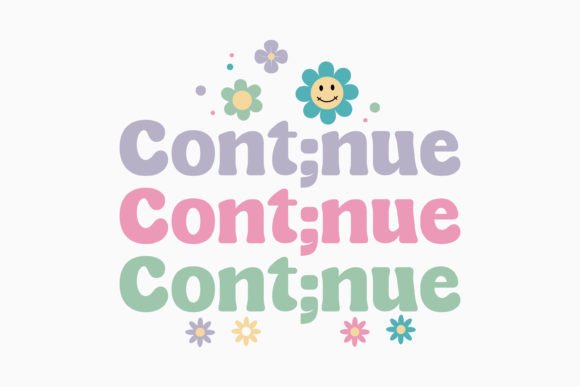
Continue Mental Health Retro Svg: A Designer's Real-World Embroidery Review
As a designer who has spent years stitching out designs for clients and crafting products for my own shop, I know that the difference between a good product listing and a successful finished item often comes down to practical judgment. When I first encountered Continue Mental Health Retro Svg, it caught my eye not just for its nostalgic aesthetic, but for the potential it held as a genuine conversation starter in a handmade market saturated with generic quotes. This review isn't about marketing fluff; it is a deep dive into how this specific digital asset performs when transferred from a screen to fabric, specifically within the context of machine embroidery.
The First Impression: Mood and Visual Personality
The retro style of Continue Mental Health Retro Svg immediately signals a shift away from sterile, modern minimalism toward something warmer and more approachable. The design leverages vintage typography and layout cues that evoke a sense of comfort and resilience. For an embroidery designer, the visual personality is crucial because it dictates the emotional response of the end user. This isn't just a quote; it is a mood. It feels like a message you would want stitched onto a cozy sweatshirt or a durable tote bag—items that accompany us through our daily lives.
In terms of graphic composition, the design appears to balance text and negative space effectively. The "retro" element suggests curves and perhaps bold outlines, which are generally friendly to embroidery stitches. However, the success of this project relies heavily on how those lines translate into thread. When looking at the file description noting it is "100 Color Changeable," I see immediate potential for customization. A designer can tailor the color palette to match a specific brand identity or client preference without altering the underlying vector structure. This flexibility is a massive asset for small business owners who need to offer personalized options to their customers.
Real-World Application: From Screen to Stitch
Let's imagine a real scenario. You are preparing a collection for an upcoming craft fair or launching a new line of boutique merchandise on Etsy. You decide to create a custom embroidered tote bag featuring the Continue Mental Health Retro Svg. The goal is to produce a product that feels professional yet deeply personal. Because the file includes source formats like EPS and SVG, the initial setup in your digitizing software is straightforward.
When applied to a canvas tote bag, the retro aesthetic shines. The sturdy fabric provides a stable base for the stitches, allowing the design to sit flat and crisp. If you were to switch mediums to a soft cotton sweatshirt, the design takes on a different character entirely. Here, the retro font could be rendered in a softer thread color, perhaps a muted sage or dusty rose against a heather grey background, creating a subtle yet impactful statement piece. The versatility of the file means it can easily transition from a large chest print on a hoodie to a smaller, more intimate placement on a baby onesie or a nursery pillow cover.
For commercial embroidery projects, such as creating branded aprons for a local coffee shop or holiday gifts for corporate clients, the clean lines of this design ensure high visibility. The ability to change colors easily allows you to adapt the design for seasonal themes—using warm oranges and reds for autumn or cool blues and whites for winter—without needing to redraw the entire vector. This efficiency is vital for crafters managing tight deadlines and multiple orders.
Navigating Technical Challenges and Fabric Constraints
While the design has great potential, a professional designer must always consider where it might struggle. The retro style often involves varying stroke widths, and while the file claims easy color changes, the physical reality of embroidery imposes limits. If you attempt to stitch this design on a curved surface like a baseball cap, you will need to be careful with the tension settings. Curved surfaces can distort lettering, especially if the design includes fine details or tiny lettering that might not hold up well under the pressure of a needle.
Fabric texture plays a significant role here. On textured fabrics like heavy wool or bouclé, the definition of the retro lines might get lost. Similarly, using thin or stretchy fabrics requires a robust stabilizer strategy. Without proper support, the Continue Mental Health Retro Svg could pucker, ruining the clean look that makes it so appealing in the first place. Dark fabrics present another challenge; if the thread colors chosen do not have sufficient contrast, the design may appear muddy or indistinct. Always test the thread colors against the fabric background before committing to a full production run.
Dense stitch areas are another consideration. If the retro elements include thick fill stitches, they can become stiff and heavy, which might not be ideal for delicate items like baby clothes or lightweight tea towels. In these cases, switching to a combination of satin stitch and running stitch might yield a softer, more wearable result. However, if the design relies on very small details, those corners might not register clearly on a small hoop size. It is essential to review the stitch density and inspect small details on a test scrap before finalizing the product.
Impact on Product Value and Customer Trust
In the world of handmade goods, presentation is everything. A well-executed embroidery project elevates the perceived value of the item. When a customer receives a personalized gift or a custom apparel piece featuring Continue Mental Health Retro Svg with clean, consistent stitching, it builds trust in the maker's brand. It signals attention to detail and professionalism. Conversely, poor execution—such as loose threads, puckering, or incorrect thread choices—can undermine the quality of the entire product.
The design also speaks to the buyer's emotional needs. Mental health awareness is a growing topic, and a retro-styled, encouraging quote offers a sense of nostalgia and hope. This resonance can drive engagement and sales for Etsy sellers and small shop owners. The design serves as a visual anchor that connects the wearer to a broader community of values. When used correctly, it transforms a simple commodity into a meaningful accessory.
Practical Notes for the Embroidery Designer
Before you load this file into your machine for a client project, there are several critical steps to take. First, always test the design on scrap fabric that matches your intended final material. This helps you gauge the stitch density and identify any potential issues with thread breaks or registration. Second, check the file specifications carefully. While the description mentions 300dpi and EPS/SVG formats, you should verify the actual stitch count and recommended hoop size within your digitizing software to ensure it fits your equipment.
If you plan to sell finished items, confirm the licensing terms associated with the Continue Mental Health Retro Svg. Some digital assets allow for commercial use, while others restrict the number of units you can produce. Understanding these terms protects your craft business from legal complications. Additionally, compare light and dark fabric backgrounds during your mockup phase to ensure the design remains legible across different variations. Using proper stabilizer is non-negotiable for maintaining the shape and integrity of the embroidery, especially for applique design elements or dense fill areas.
Ultimately, Continue Mental Health Retro Svg is a versatile tool in the arsenal of any creative entrepreneur. Whether you are creating a unique embroidered patch, a heartfelt holiday gift, or a staple item for your online store, this design offers a strong foundation. By approaching it with a critical eye and respecting the technical limitations of machine embroidery, you can turn a simple digital file into a standout finished product that resonates with customers and stands the test of time.