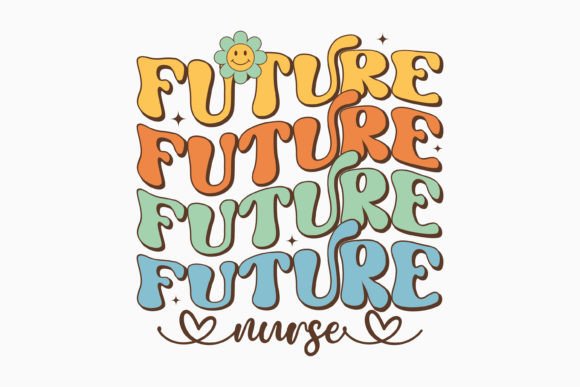
Future Nurse Retro Nurse: A Designer's Stitch Test
When I first opened the Future Nurse Retro Nurse file, my immediate thought wasn't about the technical specs or the file format. It was about the vibe. There is a specific nostalgia in retro typography that works incredibly well for embroidery because it relies on bold shapes rather than delicate, hairline details that often get lost under thread. As someone who has spent years evaluating designs for real-world projects, from high-volume boutique orders to personalized gifts for friends, I look for designs that hold up under the needle and still look great after twenty washes.
This design feels like it belongs on a soft, heathered sweatshirt or a sturdy canvas tote bag. The layout suggests a classic, slightly worn aesthetic that fits perfectly into the current trend of vintage-inspired nursing apparel. But does it translate well from a digital screen to a physical piece of fabric? That is the question every designer asks before hitting the "stitch" button.
The First Impression: Mood and Layout
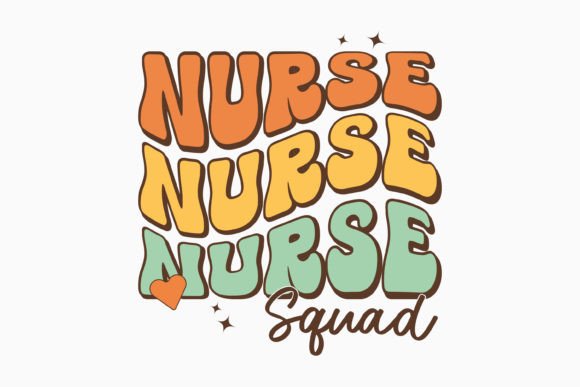
The visual personality of Future Nurse Retro Nurse is confident and warm. In the world of machine embroidery, mood matters just as much as stitch count. This design doesn't try to be overly clinical; instead, it leans into the human side of healthcare with a playful, nostalgic tone. For a craft business owner or an Etsy seller, this is crucial. Customers aren't just buying a shirt; they are buying a statement of identity. This design communicates pride and a love for the profession without being generic.
The typography appears to have enough weight to handle standard fill stitches without collapsing. When you are working with fill stitch, the density of the thread can sometimes obscure fine details. However, the retro style here seems to prioritize legibility over intricate flourishes, which is a smart choice for embroidery. It creates a clean, professional look that would work beautifully as a centerpiece on a custom apron for a nurse who loves to cook at home, or perhaps on a pillow cover for a nursery waiting room.
Real-World Application: From Screen to Stitch
Let's imagine a scenario. You are preparing for a local craft fair or fulfilling a bulk order for a hospital gift shop. You need something that looks handmade but maintains a high level of professionalism. You decide to use Future Nurse Retro Nurse on a set of embroidered patches to attach to denim jackets or caps.
In this context, the design needs to be robust. If you were to embroider this onto a cotton twill cap, the retro curves would likely follow the contour of the hat well, provided you use a stabilizer that prevents puckering. The design's simplicity makes it versatile for different products. It isn't just limited to apparel. I can easily see this looking fantastic on a kitchen towel for a new graduate, or even on a baby onesie as a "future nurse" theme for a sibling. The color changeability mentioned in the product description is a huge asset here. Being able to swap out thread colors allows you to match the exact scrubs or branding colors of your client, ensuring the final product feels tailored and bespoke.
For small business owners, this versatility means you aren't stuck with one SKU. You can create a collection. Use white thread on navy blue fabric for a sharp contrast, or switch to pastel pinks and blues for a softer, nursery-appropriate version. This adaptability increases the perceived value of your finished product, making it easier to justify a higher price point in your online store.
Where Caution Is Required
While the design has strong potential, no single file is perfect for every situation. As an experienced reviewer, I have to point out where Future Nurse Retro Nurse might face challenges. Embroidery is a tactile medium, and what looks crisp on a monitor can sometimes behave differently on textured fabric.
If you plan to use this design on very thin fabrics, like lightweight polyester blends often found in performance scrubs, you must be careful. Thin materials can distort under the tension of the hoop and the pull of the threads. Without proper stabilizer, the retro lettering might warp, losing its intended shape. Similarly, if you are attempting this on stretchy knit fabrics like those used for t-shirts, the design requires a heavy-duty cutaway stabilizer to prevent the stitching from pulling the fabric together too tightly.
There is also the issue of hoop size. While the design is likely scalable, extremely small hoop sizes (like 4x4 inches) might compress the text if the original vector is large. You need to ensure the aspect ratio remains balanced. Furthermore, while the design is described as easy to change colors, dense areas of satin stitch can sometimes cause thread breakage if the machine speed is too high or the tension is off. On dark fabrics, the contrast is key; if the thread color is too similar to the background, the retro details might disappear entirely.
Visual Appeal and Customer Trust
In the competitive world of handmade goods and digital product sales, presentation is everything. A well-executed embroidery project builds trust. When a customer receives a garment with Future Nurse Retro Nurse stitched cleanly, with no loose threads and consistent spacing, it signals quality. It tells them that the creator cares about the details.
Conversely, a botched job can ruin a brand. This is why testing is non-negotiable. Before you list this as a commercial item on Etsy or print it for a holiday gift, you should test the design on scrap fabric. Check the stitch density to ensure the fabric isn't showing through the back. Inspect the corners of the letters to make sure they aren't rounding off too much. A design that looks good in a digital mockup might reveal flaws once the thread hits the cloth.
Practical Notes for the Embroidery Designer
Before you start your next project with this file, keep these practical steps in mind to ensure success:
- Test on Scrap Fabric: Always run a test stitch-out on the same type of fabric you intend to use for the final product. This helps you gauge how the material reacts to the tension.
- Check Thread Contrast: Since the design allows for color changes, experiment with high-contrast combinations to ensure the text pops against the background.
- Verify Stabilizer Needs: Depending on the fabric texture, you may need tear-away, cut-away, or water-soluble stabilizers. Using the wrong type can lead to distortion.
- Inspect Small Details: Zoom in on the digital file to check for any tiny elements that might be difficult to stitch clearly.
- Review Licensing: If you are planning to sell finished items featuring this design, confirm the commercial license terms. Some files allow personal use only, while others permit selling the final embroidered product.
- Mockup in Black and White: Sometimes removing color from your digital preview helps you see if the shapes and negative space are balanced correctly.
The Future Nurse Retro Nurse design offers a solid foundation for a variety of embroidery projects. Whether you are creating a custom gift for a loved one, expanding your line of handmade products, or designing assets for a boutique, this file provides the flexibility needed to create something unique. By understanding its strengths and respecting the limitations of the medium, you can turn a simple SVG file into a cherished, high-quality finished product that stands out in a crowded market.
Ultimately, the best designs are those that respect both the art and the craft. This retro-themed piece succeeds in bridging that gap, offering a nostalgic look that feels fresh when executed with care. For designers and makers looking to add a touch of vintage charm to their next embroidery project, this is a worthy addition to your digital library.