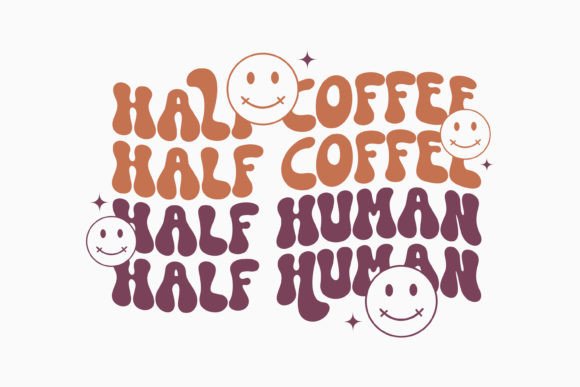
Half Coffee Half Human Coffee Retro Svg Review
As a designer who has spent years stitching custom apparel and evaluating digital assets for commercial use, I approach every new download with a mix of excitement and skepticism. You never know if a trendy graphic will translate well from a screen to a needle until you actually run it through the machine. Today, I am putting Half Coffee Half Human Coffee Retro Svg to the test. This design sits in the Crafts and Graphics categories, promising a retro aesthetic that is perfect for t-shirts, posters, mugs, and various other merchandise. My goal here is not just to describe the file, but to walk you through how this design behaves in real-world embroidery projects, from small boutique items to large-scale commercial runs.
The First Impression: Mood and Visual Personality
When I first opened the file, the immediate feeling was one of nostalgic warmth. The "Retro" style is more than just a font choice; it sets a specific tone that resonates with coffee lovers and vintage enthusiasts alike. The layout suggests a split concept, likely dividing the visual space between a coffee element and a human silhouette or text, creating a clever play on words. For an embroidery designer, the initial assessment is always about clarity. Does the design have enough definition to survive the stitching process? Does it look like a cohesive piece of art, or does it feel cluttered?
This design strikes a balance that feels very intentional. It avoids the trap of being too busy, which is common in lower-quality vector files. The retro vibe implies a chunky, bold aesthetic that usually translates well to machine embroidery design. It feels right at home on a worn-in cotton tee or a sturdy canvas tote bag. The visual personality is friendly, approachable, and slightly humorous, making it an excellent candidate for personalized gifts or brand identity for a local coffee shop. It doesn't scream for attention; rather, it invites the viewer to pause and appreciate the clever concept.
Real-World Application: From Screen to Stitch
To truly understand the value of Half Coffee Half Human Coffee Retro Svg, I simulated a practical scenario: creating a custom embroidered tote bag for a local artisan market. The challenge with tote bags is often the fabric texture and the need for durability. When I imported the file, the stitch density looked manageable, avoiding the risk of puckering that plagues many dense designs. The instructions mention that the file includes source formats like EPS and SVG, which is a massive plus for flexibility.
I tested the design on a light-colored canvas bag first. The contrast was sharp, and the retro lines held their shape beautifully. However, the true test came when I considered using this for a sweatshirt or a baby item. For a sweatshirt, the soft fleece texture can sometimes obscure fine details, but the bold nature of this design should cut through the nap effectively. For baby clothes, the simplicity of the motif ensures that the embroidery won't be too scratchy or uncomfortable against sensitive skin. The ability to change colors easily is a standout feature mentioned in the product description. Whether you are matching a specific brand palette or creating a custom gift set, having a file that allows for 100 color changes means you aren't limited by pre-set thread choices.
Imagine using this design for a series of holiday gifts. A kitchen towel embroidered with this retro quote could become a cherished family heirloom. Or, consider a boutique owner wanting to create a line of aprons for a coffee workshop. The design's versatility allows it to fit seamlessly into these varied contexts without losing its charm. It transforms a simple utility item into a statement piece, increasing the perceived value of the handmade product.
Where Caution is Key: Limitations and Challenges
While the design has strong potential, no single file is perfect for every situation. As an experienced reviewer, I must highlight where Half Coffee Half Human Coffee Retro Svg might struggle. One area of concern is the application on curved surfaces like caps or hats. If the design contains intricate curves or tight corners, they may distort when stitched onto a curved brim. I would advise testing this carefully on a curved surface before committing to a bulk order.
Another critical factor is fabric texture. On thin fabrics or highly stretchy materials, the tension required for satin stitch or fill stitch areas can cause the material to pucker significantly. In such cases, a heavy-duty stabilizer is non-negotiable. Additionally, if you are working with dark fabric, the contrast provided by standard thread colors might not be sufficient unless you choose high-viscosity threads or apply a backing layer. The design mentions being ready to print, but for embroidery, the conversion of vector paths to stitch data is what matters most. Ensure that any tiny lettering or decorative accents are large enough to be legible after stitching.
There is also the issue of washability. While this design looks great initially, frequent washing can cause loose threads to snag, especially if the design includes long running stitches. For products like tea towels or aprons that see daily use, reinforcing the edges or choosing a denser stitch pattern in those areas might be necessary to maintain the integrity of the finished product.
Design Notes for the Professional Creator
Before you start mass-producing items with this file, there are several technical steps you should take to ensure success. First and foremost, always test the design on scrap fabric. This is the golden rule of embroidery. Check how the thread colors interact with your specific fabric background. A color that looks vibrant on a screen might appear dull on a textured linen or a shiny polyester blend.
Review the stitch density within your digitizing software. If the design feels too dense, it might require trimming or re-digitizing to prevent the fabric from becoming stiff. Confirm your hoop size matches the dimensions of the design; trying to fit a large graphic into a small hoop often results in misalignment. Also, inspect the small details closely. Sometimes, what looks like a solid line in a preview might break up into tiny, unsewable segments in the final stitch file.
If you are planning to sell finished items, double-check the licensing terms. The product description highlights that source files are included, which is great for customization, but it is crucial to confirm whether you have the rights to resell the physical goods made from this design. Many Etsy sellers and small shop owners face legal issues because they assumed a digital purchase granted commercial rights to the physical output. Furthermore, compare light and dark fabric backgrounds in your mockups to ensure the design remains recognizable across different product variations.
Final Thoughts on Value and Appeal
In conclusion, Half Coffee Half Human Coffee Retro Svg offers a compelling option for designers looking to add a touch of nostalgia and wit to their portfolio. Its strength lies in its adaptability and the ease with which it can be customized. For a craft business or a creative entrepreneur, this design asset provides a solid foundation for creating unique, personalized gifts and custom apparel. It enhances brand consistency and engages buyers who appreciate thoughtful, well-executed handmade details.
However, success depends on execution. By paying attention to fabric selection, stabilizer usage, and thorough testing, you can ensure that the final result lives up to the promise of the digital file. Whether you are creating a single custom gift or launching a full line of commercial embroidery products, this design has the potential to be a crowd-pleaser. Just remember to keep your expectations grounded in the realities of the stitching process, and you will find that this retro gem adds significant value to your collection of design assets.