Halloween Ghostly Greetings Retro Svg Review
A First Glance at the Design
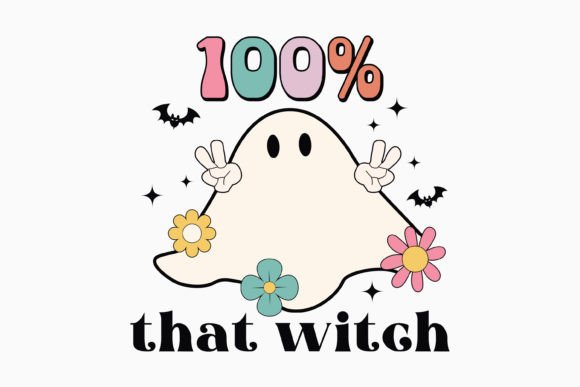
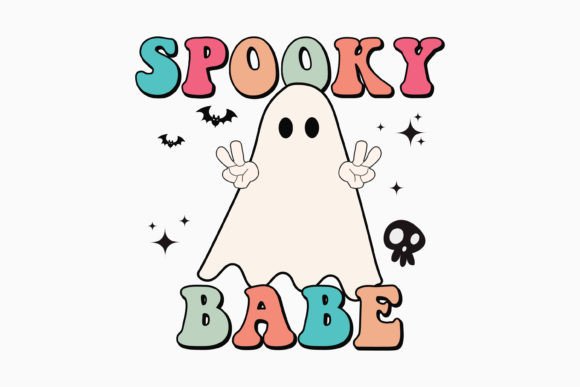
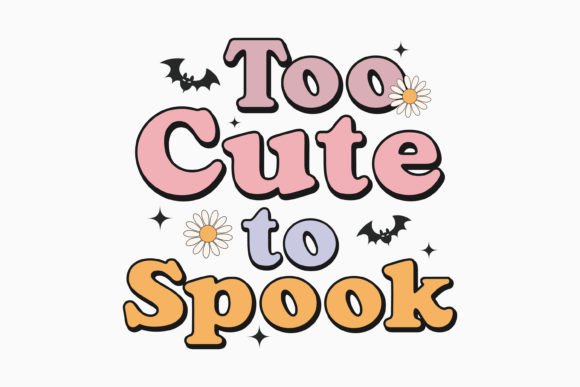
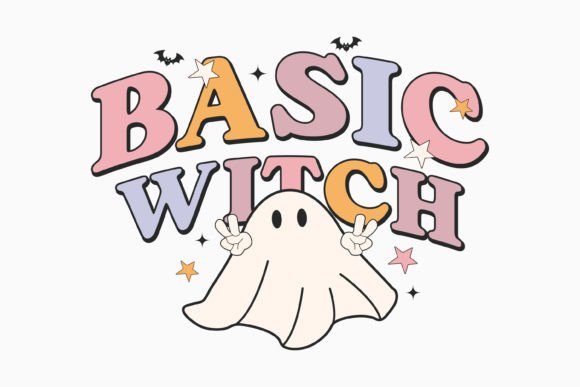
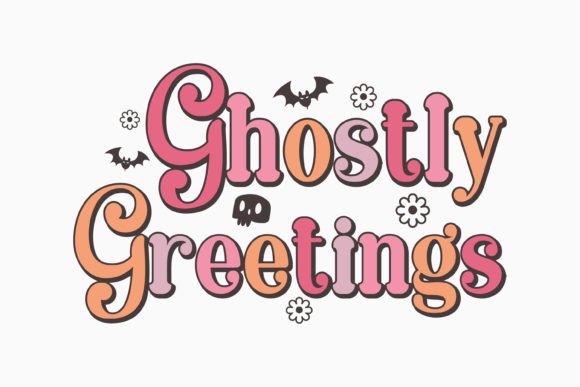
Opening the Halloween Ghostly Greetings Retro Svg file, I immediately felt a sense of nostalgic charm. The retro theme is evident in the choice of font and the overall layout, which feels like a vintage greeting card brought to life. The ghostly imagery is subtle yet effective, giving off a playful yet spooky vibe that's perfect for the Halloween season.
The design has a clean silhouette with minimal detail, which makes it versatile for various embroidery applications. It’s not overly complicated, so it won’t overwhelm small fabric surfaces or intricate garment textures. This simplicity also means it can be adapted easily into different color schemes without losing its character.
Real-World Embroidery Applications
I imagined using this design on a custom embroidered tote bag for a seasonal boutique. The retro aesthetic would complement autumnal themes, and the ghostly image would add a touch of whimsy. On a tote, the size of the design allows for clear visibility without feeling too busy. It could also work well on sweatshirts or baby clothes, where the softness of the design fits the gentle nature of those items.
For a cap or patch, the design would need careful consideration. The hoop size might be an issue if the ghost image is too large for smaller hooping areas. However, since the design isn't too dense, it should handle well on most standard hoop sizes. Testing it on scrap fabric first would be wise, especially when considering how it interacts with different thread colors and fabric types.
The 100 color changeable feature gives designers flexibility, allowing them to match the design with specific product lines or brand colors. For example, an Etsy seller could offer this design in multiple color variations to appeal to a broader audience. It’s also a great option for personalized gifts, where customers might want to choose their preferred color scheme.
Design Considerations for Embroidery
When working with Halloween Ghostly Greetings Retro Svg, I’d recommend checking the stitch density. While the design doesn’t appear overly complex, certain areas may require adjustments depending on the fabric being used. Thin or stretchy fabrics might need additional stabilizer to prevent puckering or distortion.
Also, testing the design in black and white mockups would help assess how well the details show up against different fabric backgrounds. Darker fabrics might require a contrast thread color to ensure the design remains visible. For commercial use, confirming the licensing terms is essential before selling any finished products or digital assets.
One thing I noticed is that the design lacks tiny lettering or intricate corners, which is a plus for embroidery projects that involve delicate fabrics or tight curves. This makes it more forgiving in terms of stitch accuracy and less likely to cause issues during the embroidery process.
Visual Appeal and Customer Perception
From a customer perspective, this design offers a fun and recognizable holiday motif. Its retro feel gives it a timeless quality that can appeal to both younger and older audiences. Whether used on a handmade product or as part of a commercial line, it adds value by creating a cohesive visual identity.
For small shop owners or craft businesses, this design could be a valuable asset in their product lineup. It’s easy to recognize, making it ideal for holiday-themed merchandise. It also enhances the handmade presentation, which is crucial for building trust and engagement with customers.
When used on gift items like pillow covers or kitchen towels, the design adds a personal touch that makes the item more memorable. Customers are more likely to appreciate and keep items that have a unique, festive look, which this design delivers.
Embroidery Designer Notes
Before diving into production, always test the Halloween Ghostly Greetings Retro Svg on scrap fabric. This will give you a better idea of how it looks in real-life stitching conditions. Check the thread color contrast and review the stitch density to ensure the final product meets your quality standards.
Confirm the hoop size needed for the design and inspect small details to see if they translate well into embroidery. Testing in black and white mockups can reveal potential visibility issues, especially on dark fabrics. Using proper stabilizer is key, particularly when working with thin or stretchy materials.
Finally, make sure the design works for both personal and commercial projects. If you plan to sell finished items or digital products, confirm the licensing terms to avoid any legal complications down the line.