Hippie Halloween: A Designer's Real-World Review
When I first opened the Hippie Halloween file, my immediate reaction wasn't about the technical specs or the vector format. It was about the vibe. There is a specific energy required for holiday-themed embroidery that balances nostalgia with modern appeal, and this design hits that sweet spot effortlessly. As someone who has stitched hundreds of designs for boutique clients and personal gifts, I look for more than just a pretty picture; I need to know if it holds up under the needle, if the stitch density makes sense, and whether it will resonate with customers browsing an Etsy shop or walking through a craft fair booth.
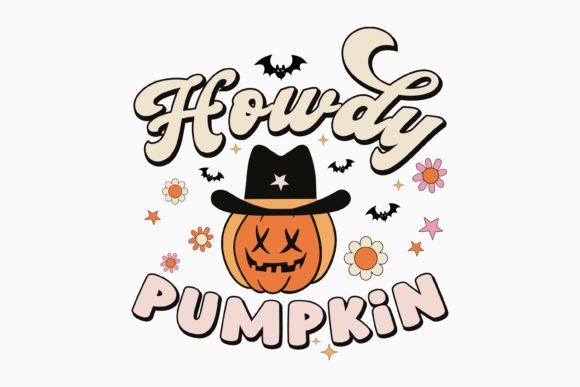
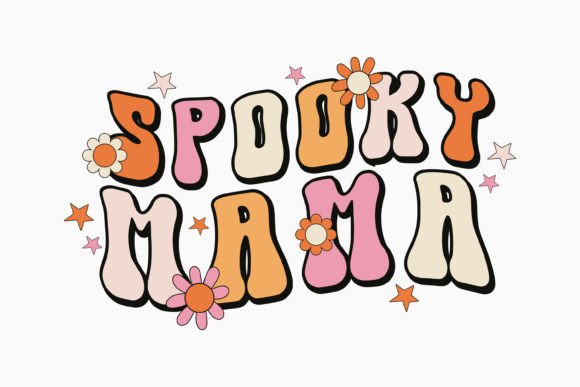
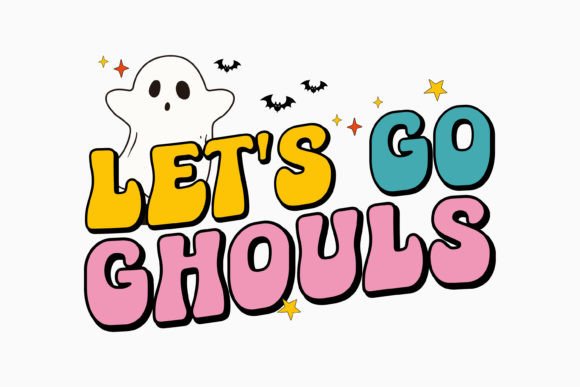
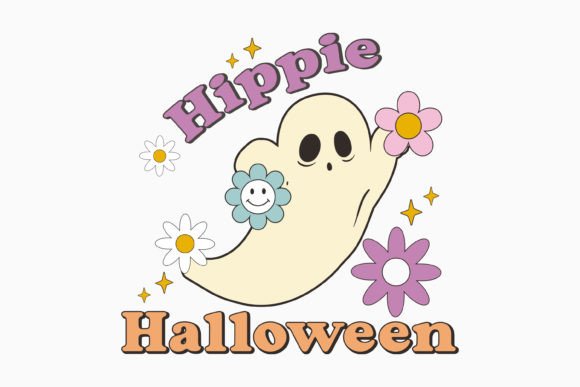
The concept of a retro Halloween quote immediately suggests a playful, non-scary aesthetic. This isn't your typical jack-o'-lantern or spooky skeleton collection. Instead, it leans into the groovy, colorful era of the late 60s and 70s. For a designer looking to create custom apparel or personalized gifts, this mood is incredibly versatile. It works beautifully for baby items where parents want something festive but gentle, for aprons in a homey kitchen, or for tote bags that double as statement pieces at local markets. The visual personality of Hippie Halloween feels approachable, making it an excellent choice for commercial embroidery projects where broad appeal is key.
From Digital File to Finished Product
One of the most critical aspects of evaluating any digital product is how it translates from screen to fabric. The description highlights that the source files are included in EPS and SVG formats with 300dpi readiness. While these are primarily graphic assets, their utility extends into the world of machine embroidery when used correctly. The ability to change colors easily is a massive plus for designers working on seasonal collections. Imagine creating a matching set of embroidered patches for a family reunion or coordinating sweatshirt embroidery for a small team of volunteers. With Hippie Halloween, you aren't locked into a single color palette. You can swap the background thread for a deep navy to make the text pop, or use pastel threads for a nursery pillow cover.
In a real-life scenario, let's say you are preparing a custom embroidered tote bag for a fall festival. You have the Hippie Halloween design ready to go. The layout needs to be centered, large enough to be seen from a distance, but not so overwhelming that it dominates the canvas. Because the design features a quote, the legibility of the lettering becomes paramount. When stitching this out, you would likely use a combination of satin stitch for the outlines to give it definition and fill stitches for the solid areas to ensure coverage. If you are placing this on a textured fabric like a canvas tote, the high contrast potential of the design ensures the message remains clear even after multiple washes.
For those selling handmade products, the versatility of Hippie Halloween allows for creative branding. You could use it on a batch of holiday gift boxes, embossing the design onto the packaging or using it as a printable mockup for online listings. The retro aesthetic aligns perfectly with current trends in vintage-inspired decor. Whether you are crafting a baby onesie for a "trick-or-treat" photoshoot or decorating a tea towel for a hostess gift, the design offers a professional finish that elevates the perceived value of the item.
Where to Use It (and Where to Pause)
While the design is robust, every embroiderer knows that context matters. There are specific situations where Hippie Halloween might require extra caution. If you are working with small hoop sizes, such as those used for caps or hats, you must carefully review the dimensions of the quote. Small details can get lost or distorted when compressed into a tight curve. Similarly, if you plan to stitch this on stretchy fabric like a jersey knit t-shirt, the stability of the design depends heavily on the stabilizer you choose. Without proper support, the tension of the stitches could cause the fabric to pucker, ruining the clean lines of the retro typography.
Dark fabrics present another consideration. While the design allows for color changes, ensuring that the thread colors chosen provide sufficient contrast against a black or dark navy background is essential. If the original vector uses light colors on a dark background, you may need to adjust the thread selection to avoid a muddy appearance. Additionally, if you are planning to use this for detailed corners or tiny lettering, test the design on scrap fabric first. Dense stitch areas can sometimes lead to fabric stiffness, which might not be ideal for soft baby clothes or delicate pillow covers. Always inspect the small details to ensure they won't break down over time, especially for products that need frequent washing.
Practical Notes for the Modern Maker
Before committing to a full production run for your craft business, there are several steps every professional should take. First, check the thread color contrast by converting the design to a black and white mockup. This helps visualize how the design will look without relying on color. Next, confirm the hoop size requirements. Even though the file is scalable, the physical constraints of your embroidery machine dictate the maximum size you can stitch in one go. If the design is too large, you may need to split it or reposition the hooping points.
Stitch density is another factor that affects the final look. High-density areas can make the fabric feel stiff, which might be undesirable for items like aprons or blankets. If you notice the design looks too heavy, consider adjusting the settings or selecting a different stitch type, such as switching some fill stitches to running stitches for a lighter touch. Also, verify whether the design includes licensing terms for commercial use. Many digital assets come with restrictions on how many finished items you can sell. Confirming these details before listing your Hippie Halloween merchandise on Etsy or your own website protects your small shop from potential legal issues.
Finally, think about the customer experience. A well-executed embroidery project builds trust. When a buyer receives a personalized gift or a boutique product featuring Hippie Halloween, they expect quality. The design's clarity, combined with precise stitching and appropriate fabric choices, creates a cohesive brand image. It signals that you care about the details, which encourages repeat business and positive reviews. By treating this design asset with the same rigor as a custom client project, you ensure that your handmade products stand out in a crowded marketplace.
In conclusion, Hippie Halloween is more than just a cute graphic; it is a functional tool for designers and makers looking to add a touch of retro charm to their portfolio. Its adaptability across various materials—from sturdy canvas to soft cotton—makes it a valuable addition to your collection of design assets. Whether you are creating holiday embroidery for a family event or developing a line of custom apparel for your craft business, this design offers the flexibility and style needed to succeed. Just remember to test, stabilize, and plan carefully, and you will have a finished product that looks as good as it feels.