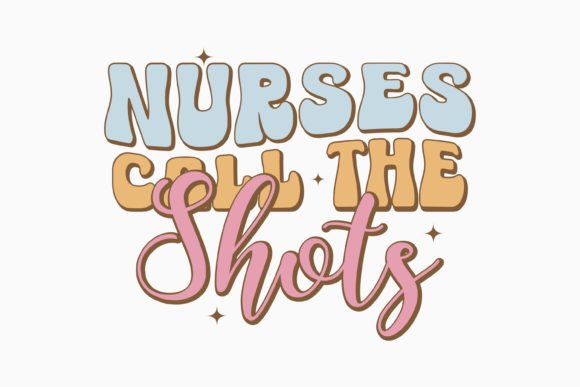
Nurses Call the Shots: A Designer's Real-World Review
I have spent years stitching, designing, and reviewing embroidery files for everything from boutique clothing lines to personalized holiday gifts. When I first opened Nurses Call the Shots, I didn't just see a quote; I saw a potential bestseller for a craft business or a heartfelt gift for a medical professional. But as a designer who knows that the devil is in the details, my job isn't just to admire the concept but to evaluate how it will actually perform under the needle.
This piece of digital art falls squarely into the Crafts and Graphics categories, yet its true value lies in its versatility as an embroidery file. The retro aesthetic immediately sets a specific mood. It feels nostalgic, confident, and slightly playful. Unlike generic modern fonts that can look sterile on fabric, this design brings a vintage personality that resonates well with handmade products. However, before I recommend this for your next commercial project, I need to walk you through exactly how it behaves in real-world scenarios.
The First Stitch: Visual Personality and Layout
The layout of Nurses Call the Shots suggests a strong central focus. For a machine embroidery design, the hierarchy of text is critical. If the phrase is meant to be read quickly on a tote bag or a sweatshirt, the lettering needs to be legible even when stitched. From my perspective, the retro styling implies a balance between decorative flair and readability.
What stands out most is the promise of customization. The description notes that the design allows for easy color changes. In the world of digital embroidery files, this is a massive advantage. It means you aren't locked into a single thread palette. Whether you are creating a soft pastel set for a baby shower or a bold, high-contrast version for a hospital staff shirt, the ability to manipulate the colors without altering the underlying geometry is essential. This flexibility transforms a static image into a dynamic asset for any creative entrepreneur.
Real-Life Application: From Screen to Stitch
Let's imagine a practical scenario. You are preparing for a busy season of craft fairs or managing an Etsy shop. You decide to create a line of custom embroidered aprons for a local clinic fundraiser. You pull up Nurses Call the Shots and place it on the chest area of a navy blue twill apron.
Here is where the design truly shines. The retro vibe pairs perfectly with the utilitarian nature of an apron. It creates a sense of pride and humor that customers love. Because the file includes source formats like EPS and SVG, you can easily adjust the size to fit different garments. Imagine scaling it down for a baby onesie or expanding it for a large hooded sweatshirt. The vector nature ensures that the curves remain smooth, which is vital for satin stitch areas.
I also envision this design on a patch. Embroidered patches are huge right now for jackets and backpacks. The clean lines of this design would hold up well on a woven backing, provided the density is correct. For a small shop product, adding this to a collection of nurse-themed items could significantly boost buyer engagement. It signals professionalism while keeping the tone friendly and approachable.
Where Caution Is Required
However, not every surface is created equal. As an experienced reviewer, I must point out where this design might face challenges. The text "Nurses Call the Shots" likely contains varying stroke widths. On thin fabrics or highly textured materials like heavy waffle-weave blankets, the stitches might sink too deep or fail to lay flat.
If you plan to use this on a cap or hat, you need to consider the curvature. While the design looks great on a flat surface, wrapping it around the front panel of a curved cap requires careful digitizing adjustments to prevent puckering. Small hoop sizes present another hurdle. If you attempt to stitch this on a tiny item like a baby bootie, the fine details of the retro font might get lost or merge together, ruining the visual appeal.
Dark fabrics require extra attention to thread choice. If the design relies on light threads for contrast, you must ensure the underlay is sufficient to cover the dark background. Otherwise, the final product may look muddy rather than crisp. Additionally, if you are planning to wash these items frequently, such as kitchen towels or daily wear t-shirts, the stitch density must be robust enough to withstand friction without fraying.
Impact on Product Value and Brand Consistency
When you sell a finished product, you are selling more than just fabric; you are selling quality and trust. A poorly executed embroidery design can make a handmade product look cheap, no matter how good the base material is. Conversely, a well-stitched Nurses Call the Shots elevates the perceived value of your item.
For an Etsy seller or a boutique owner, consistency is key. Using a design that is 100% color changeable allows you to maintain a cohesive brand identity across different product lines. You can match the thread colors to your shop's branding guidelines, ensuring that every embroidered patch, pillow cover, or tea towel looks like part of the same family. This level of detail builds customer trust and encourages repeat business.
The design also has strong giftability. Personalized gifts often rely on emotional connection. The retro theme taps into a sense of appreciation for healthcare workers, making it an ideal choice for retirement parties, graduation gifts, or holidays. When a customer sees a beautifully stitched message that resonates with their profession, they are more likely to share it, providing organic marketing for your craft business.
Practical Notes for the Embroidery Designer
Before you hit the start button on your machine, there are several steps you should take to ensure success. First and foremost, always test the design on scrap fabric. This simple step reveals issues with tension, stabilizer choice, or thread breakage that you won't notice in a digital mockup.
Check your stitch density carefully. High-density fill stitches can cause the fabric to pucker, especially on stretchy materials like jersey knit used for custom apparel. Ensure you are using the proper stabilizer for the fabric type—cut-away for knits and tear-away for wovens—to keep the design stable.
Inspect the small details. Zoom in on the digital file to see if any letters are too close together. If the spacing is tight, consider widening them slightly in your software before exporting to avoid thread breaks. Also, review the design in black and white mockups to confirm that the contrast works regardless of the thread colors you choose.
Finally, verify the licensing terms. Even though the file is included as a source file (EPS/SVG), you must confirm whether you are allowed to sell finished products made from this design commercially. Some licenses restrict usage to personal projects only. Protecting your small shop product from legal issues is just as important as the stitching itself.
Nurses Call the Shots is a versatile and charming addition to any embroidery project library. It offers a blend of nostalgia and modern utility that fits well in today's market for handmade goods. By paying attention to fabric selection, hoop size, and finishing techniques, you can turn this digital graphic into a stunning physical reality that clients and customers will adore.