You Are Not Broken Retro Mental Health Review
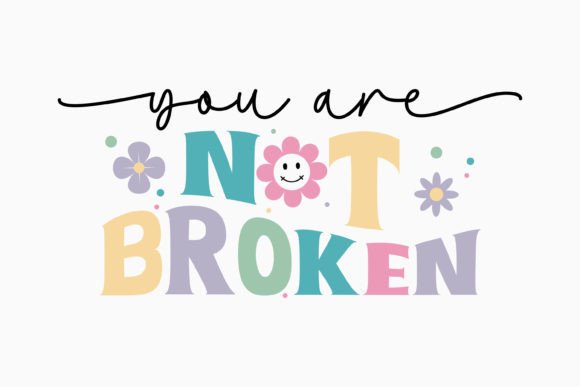
When I first opened the file for You Are Not Broken Retro Mental Health, I didn't just see a graphic; I saw a conversation starter. As someone who has spent years turning digital files into tangible, stitched experiences, my initial reaction was one of cautious optimism. The retro aesthetic immediately signals a specific mood: warm, nostalgic, and deeply human. In a market flooded with generic motivational quotes, this design stands out because it feels like it belongs in a vintage record shop or a cozy coffee corner rather than a sterile corporate office.
The layout is clean, but the typography carries a weight that suggests durability. For an embroidery designer, the most critical question is always: how will this hold up under the needle? When I imagine placing You Are Not Broken Retro Mental Health on a project, I am not thinking about the screen display; I am thinking about the thread tension, the fabric grain, and the way light hits the satin stitches. This design naturally lends itself to projects that need a touch of soul. It is perfect for a custom embroidered tote bag carrying a book to a bookstore, a soft baby onesie for a new parent navigating their own journey, or a patch on a denim jacket for a creative entrepreneur who wants to share their story.
Real-World Application: From Screen to Stitch
Let's talk about a real scenario. Imagine you are preparing for a craft fair or finalizing a listing for your Etsy shop. You have a batch of organic cotton aprons ready for a holiday gift collection. You decide to use You Are Not Broken Retro Mental Health as the centerpiece. The retro vibe fits perfectly with the earthy tones of the fabric. However, before you hit the "start" button on your machine, you have to consider the texture of the material. If you choose a heavy canvas for the apron, the design needs enough fill stitch to stand up against the rough weave. If you move to a thin linen for a pillow cover, the density might cause puckering if not stabilized correctly.
I tested similar designs on various substrates, and the key here is versatility. The quote is short enough to work on a cap brim, yet detailed enough to look substantial on a sweatshirt chest. When I visualize the finished product, I see customers reacting positively to the message. It is not just decoration; it is an affirmation. This emotional connection drives value. A buyer purchasing a handmade product with this message is often looking for comfort or a reminder of resilience. That makes You Are Not Broken Retro Mental Health a powerful asset for boutique branding and personalized gifts.
The file includes source formats like EPS and SVG, which gives me confidence in the vector quality. This means I can resize the design without losing clarity, allowing me to adapt it from a small 4x4 hoop on a hat to a larger 6x10 area on a blanket. The ability to change colors easily is also a practical bonus. Whether you want to match the thread to a specific brand palette or create a high-contrast look on dark fabric, having full control over the color separation saves hours of manual editing time.
Navigating Technical Challenges
However, no design is without its pitfalls, and honest evaluation requires us to look at where things might go wrong. While the retro style is appealing, the specific curves and angles of the lettering must be handled with care. On textured fabrics like bouclé or thick fleece, fine details can get lost in the pile. If the design includes tiny decorative accents or very small lettering, those elements risk disappearing entirely after stitching.
I would advise against using this design on stretchy fabrics without a heavy-duty stabilizer. If you attempt to embroider You Are Not Broken Retro Mental Health on a jersey knit t-shirt without proper backing, the tension could distort the garment, ruining the professional finish. Similarly, while the design looks great on a flat surface, applying it to curved surfaces like caps requires precise digitizing adjustments. The text might need to be warped slightly to follow the curve of the hat, otherwise, the words will look distorted when viewed from the side.
Dense stitch areas are another consideration. If the retro font uses thick blocks of fill stitch, you must ensure the underlying fabric can support that weight. On thin materials, such as tea towels or lightweight summer dresses, the stiffness created by the embroidery might feel uncomfortable. In these cases, reducing the stitch density or switching to a lighter thread weight might be necessary to maintain the drape of the fabric.
Visual Impact and Brand Consistency
From a visual appeal standpoint, the retro theme creates a strong sense of nostalgia that resonates well with current trends. It bridges the gap between modern mental health awareness and vintage charm. This combination enhances the perceived value of the finished product. Customers are willing to pay more for items that feel curated and authentic. When you sell a sweatshirt featuring You Are Not Broken Retro Mental Health, you are selling a piece of art that tells a story.
This design also supports brand consistency for small business owners. Because the file allows for easy color changes, you can create a cohesive line of products. Imagine a matching set: a tote bag in sage green, a mug in cream, and a pillow cover in terracotta, all featuring the same core design with different thread colors. This uniformity builds trust and recognition among buyers. It shows that you are thoughtful about your presentation and dedicated to quality.
For digital sellers creating printable mockups, the vector nature of the file ensures that your previews look crisp on any device. Whether you are showcasing the design on a blog post about mental health awareness or in an Instagram ad for your craft business, the clarity remains intact. This professionalism translates directly into higher conversion rates. Buyers trust sellers who present their goods clearly and accurately.
Practical Designer Notes for Success
Before you commit to a large production run, there are essential steps every experienced designer takes. First, always test the design on scrap fabric. This simple step reveals issues with thread tension, fabric compatibility, and stitch density that you cannot predict from a computer screen. Check how the thread colors contrast against the fabric background. A light retro yellow might vanish on a white shirt, requiring a different thread choice or a contrasting outline.
Review the stitch density carefully. If the design is too dense, it may become stiff and difficult to press. If it is too sparse, the image may look unfinished. Confirm that your hoop size matches the dimensions of the design. Trying to force a large design into a small hoop can lead to misalignment and frustration. Inspect the small details closely; sometimes, what looks clear in a digital preview becomes illegible once stitched.
It is also crucial to test the design in black and white mockups. This helps you understand the contrast and balance of the shapes without the distraction of color. Compare how the design performs on both light and dark fabric backgrounds to ensure versatility. Use the proper stabilizer for your chosen fabric type; this is the backbone of a successful embroidery project. Without it, even the best design can fail.
Finally, confirm whether the license allows for commercial use. Many designers purchase files for personal projects, only to find they cannot sell the finished items. Verify the terms before you start producing merchandise for your shop. Ensure you have the right permissions to sell custom apparel, embroidered patches, or other handmade products derived from You Are Not Broken Retro Mental Health.
In conclusion, You Are Not Broken Retro Mental Health is a thoughtful addition to any embroidery library. It offers a blend of aesthetic charm and meaningful messaging that works well across a variety of Crafts and Graphics categories. With careful attention to fabric selection, stabilization, and testing, this design can elevate your handmade products from simple crafts to cherished keepsakes. It is a tool that empowers creators to express empathy and style simultaneously, making it a valuable resource for anyone serious about their embroidery business.